WORKSHOPS AND TRAINING
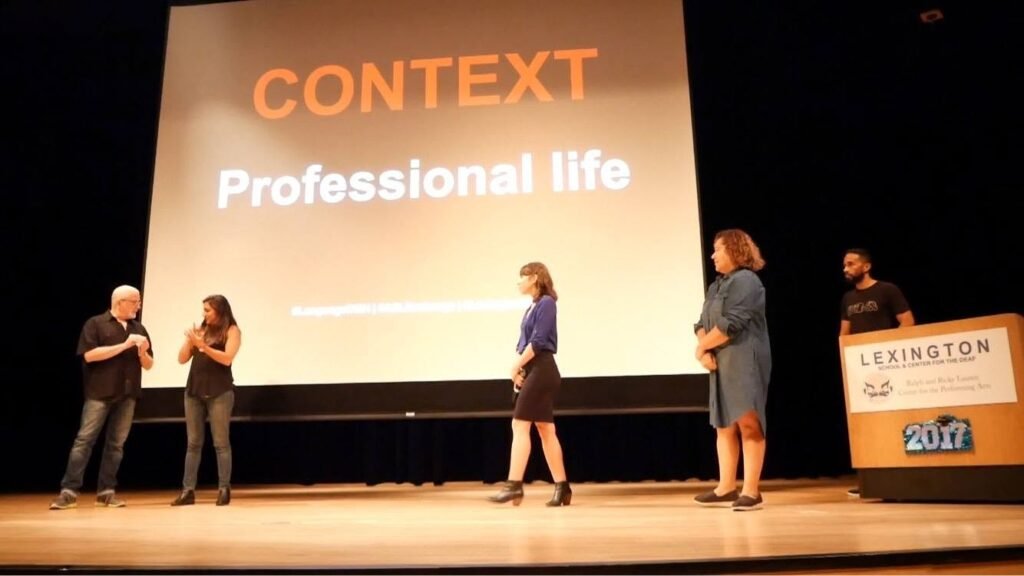
Understanding Language Based Exclusion in the Deaf Community: a Call to Action
A three-part series based based on my doctoral research and psychotherapy training and practice over 8 years as a clinical psychology PhD student.
Part 1: Language-Based Exclusion and Deaf Mental Health: Conceptual Foundations
- What is Language-Based Exclusion (LBE) and how is it related to deaf people?
- What are health disparities and how does LBE contribute to health disparities in deaf people?
- What is the relationship between LBE and language deprivation?
- What are specific types of LBE identified in existing deaf studies research?
- Stories from my work as a clinical psychologist with deaf and DeafBlind clients.
- Self reflection exercises.
Part 2: Language Based Exclusion and Deaf Mental Health: The Role of Interpreters
Prerequisite: Language-Based Exclusion and Deaf Mental Health: Conceptual Foundations
- Brief review of concepts from Language-Based Exclusion and Deaf Mental Health: Conceptual Foundations.
- Brief review of existing research on the impact of interpreters on deaf identity development and its relationship to deaf mental health.
- Brief review of existing research on interpreters and the “illusion of inclusion” and its relationship to deaf mental health.
- Brief review of research on “deaf-specific trauma;” and the powerful role of LBE in deaf-specific trauma.
- Discussion of my doctoral research on the role of interpreters in language-based exclusion and deaf mental health. Major themes: trust, identity, autonomy, mental health, boundaries, relationship dynamics, power dynamics.
- Self reflection exercises.
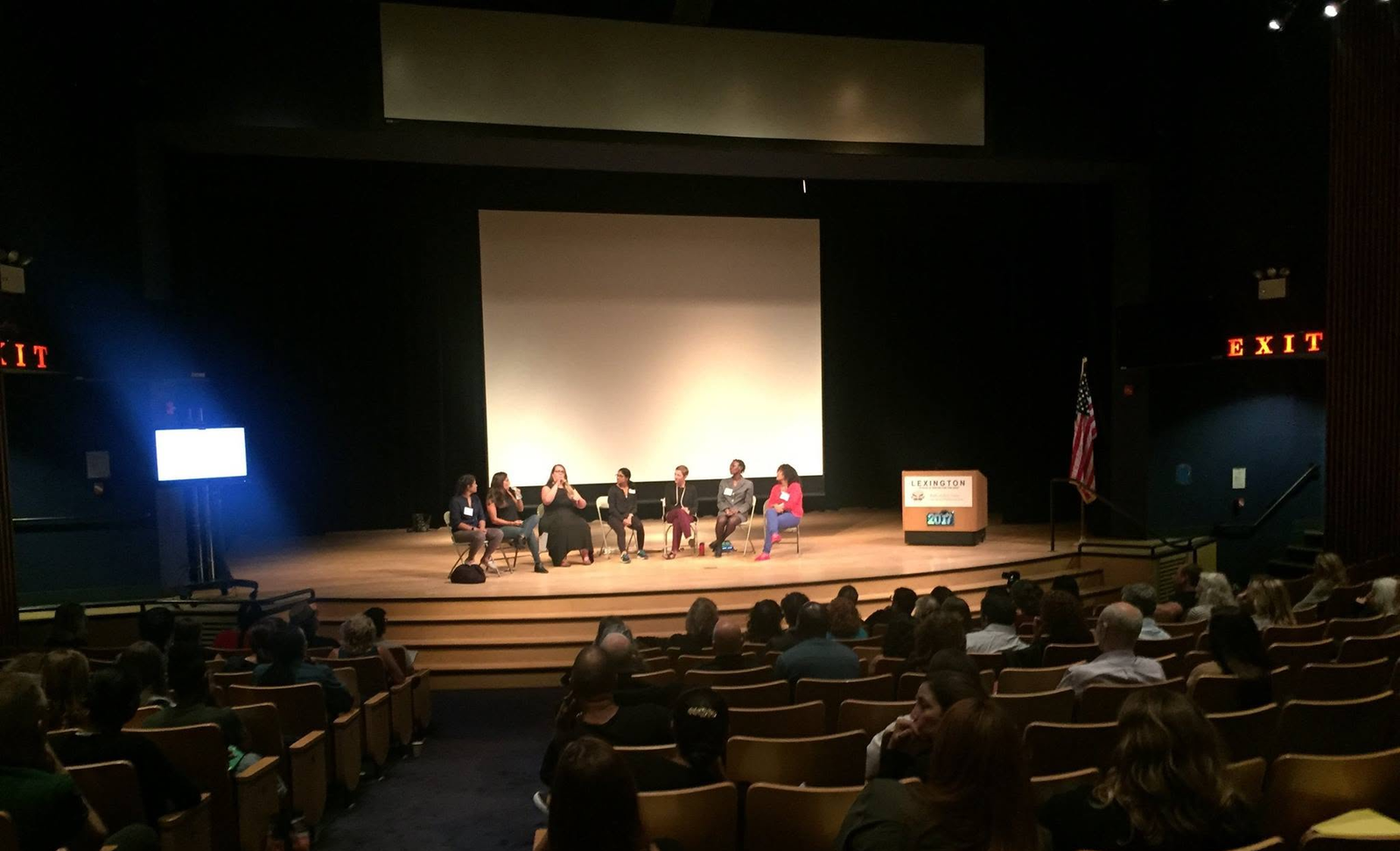
Emotion Regulation for Interpreters
This workshop is based on my work as a certified holistic yoga teacher, group fitness instructor, and doctoral student psychotherapy/research trainee in exposure, mindfulness, and compassion based therapies for depression, anxiety, OCD, ADHD, and trauma. There is enough content here for a 2-day workshop or applied course that meets for several weeks.
- What are emotions (subjectively, physically, behaviorally)?
- What are emotion regulation and mindfulness?
- What is reactive responding?
- What its counteractive responding?
- What are values and why are they important from a mental health perspective.
- Small and Large Group Discussions.
- Developing your emotion regulation toolbox.
- Practical application and self-assessment.
See below for Emotion Regulation: How to Change Emotions You Want to Change, a twenty seven minute video co-presented in ASL with Sharon Haynes, LMSW as part of the Wisconsin Office for the Deaf and Hard of Hearing Behavior Health Initiative community track providing information on various behavioral and mental health topics for individuals who are Deaf, hard of hearing, and Deaf-Blind.
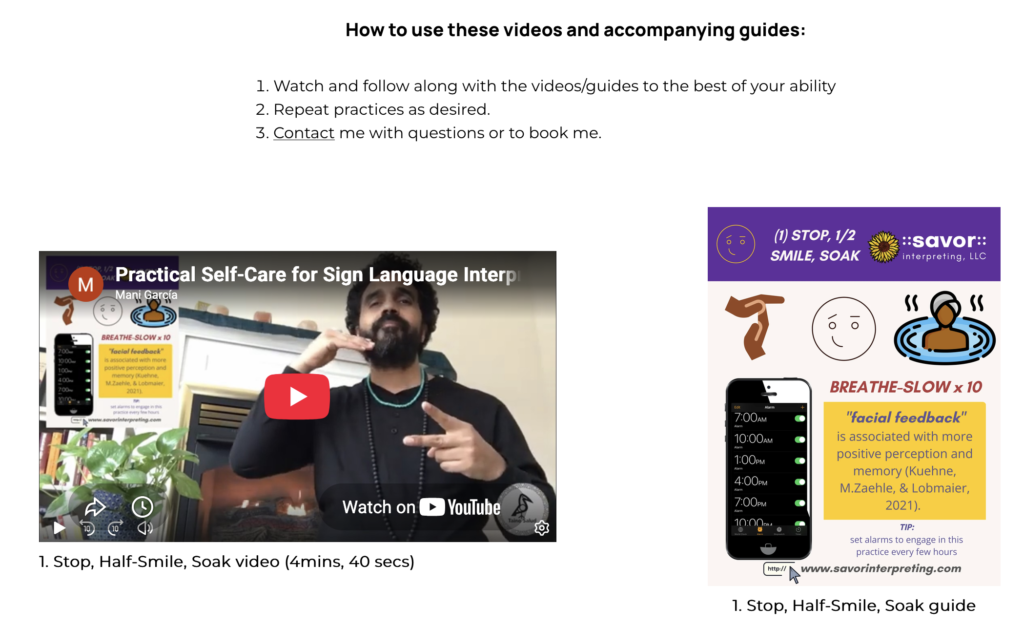
Practical Self Care for Sign Language Interpreters
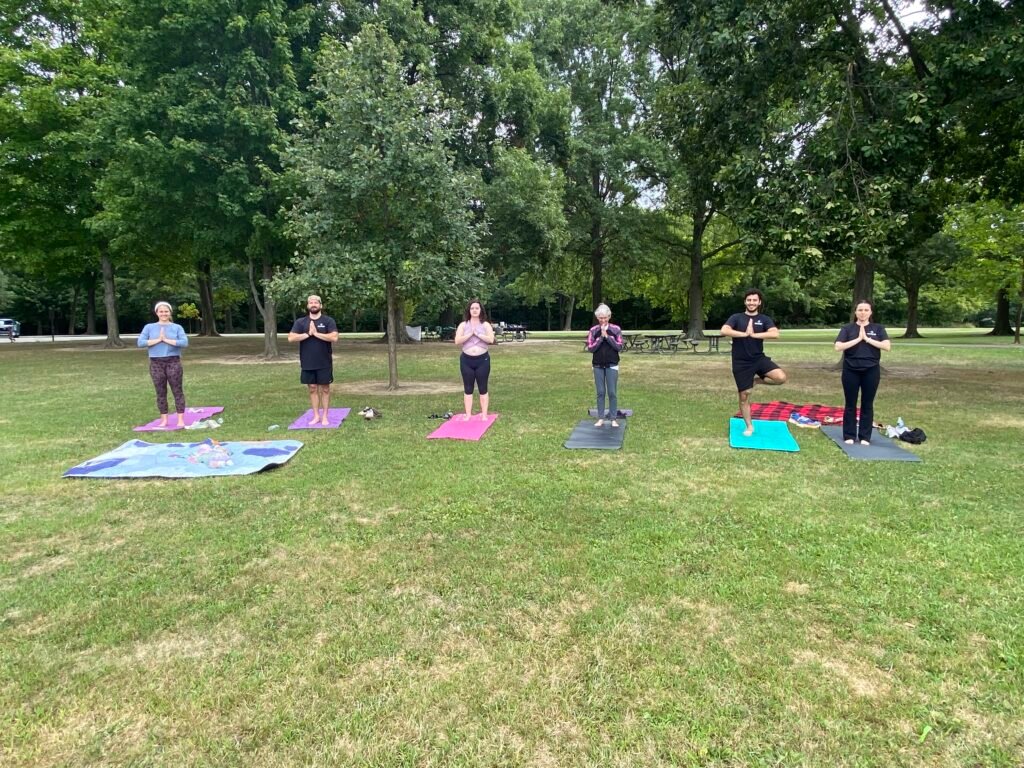
This workshop is based on my work as a certified holistic yoga teacher, group fitness instructor, and doctoral student psychotherapy trainee in exposure, mindfulness, and compassion based therapies.
- What does “self-care” really mean?
- What are the challenges to and about “self-care”?
- Self assessment tips.
- Ideas for practical self-care practices for sign language interpreters, building on material I prepared for the PCRID (potomac chapter) 2021 Annual Conference, December 10-12, 2021.
August 17-18, 2024